
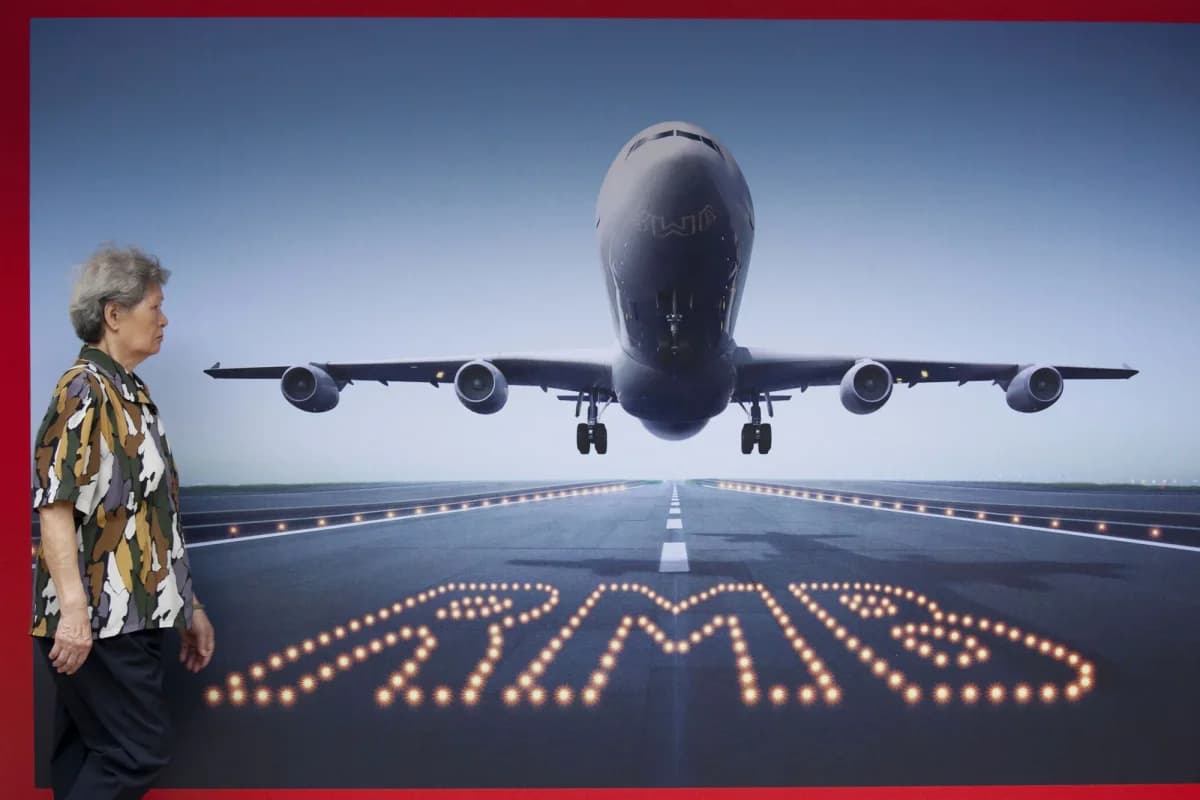
Sixteen years after McDonald's became the first foreign company to sell offshore yuan debt in Hong Kong, Wall Street's biggest banks have turned into the market's most enthusiastic borrowers, and in doing so are helping build the very financial infrastructure Beijing needs to make its currency a serious rival to the dollar.
Global systemically important banks have raised 134 billion yuan, about $20 billion, in so-called dim sum bonds so far this year, nearly triple their combined total for all of 2025. Citigroup, Barclays and BNP Paribas are the largest issuers, while Wells Fargo has increased its issuance more than tenfold and Goldman Sachs has roughly tripled its own volume.
The motivation looks very different from 2010, when McDonald's sold the first dim sum bond by a non-Chinese, non-financial company just months after Beijing opened the market to foreign issuers in July that year, a deal widely credited with kickstarting the offshore renminbi market in Hong Kong. This time, the draw is pure arithmetic. The gap between US and Chinese interest rates has widened to a record, with yields on 10-year Treasuries now running more than 300 basis points above comparable yuan bonds. Newly issued dim sum bonds are pricing with coupons of just 1.4 to 2.4 percent, against roughly 4.78 percent for equivalent dollar debt, making yuan borrowing in Hong Kong simply the cheaper option for a global bank's funding needs.