

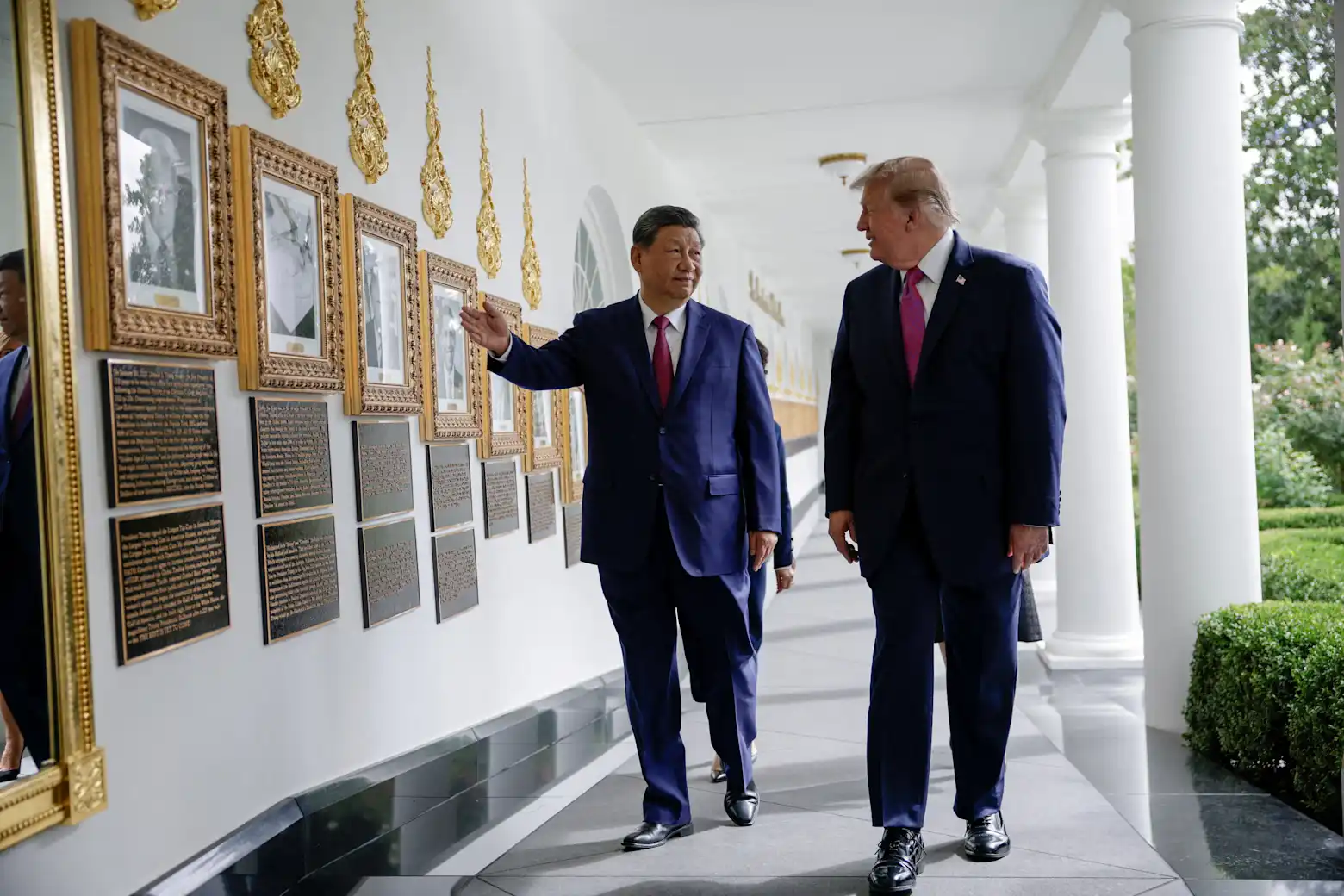
Another round of US-China talks on artificial intelligence is on the horizon, and with it comes a familiar question: will this one actually produce something, or simply add another friendly photo and a vague joint statement to a growing pile of inconclusive dialogue.
The two governments have never lacked venues for this conversation. Track 1.5 and Track 2 exchanges between American and Chinese researchers, officials and former officials have run alongside more formal government-to-government channels for years, and both sides have at times pointed to a shared understanding that human judgment, not automated systems, should remain in control of the most consequential decisions, including anything touching nuclear command structures. What has been harder to come by is follow-through: specific commitments with verification mechanisms, shared technical standards, or anything resembling an enforceable rule rather than an aspiration.
Part of the difficulty is structural. Washington's approach to AI governance leans on a mix of export controls, light-touch domestic regulation and reliance on private frontier labs, while Beijing favors a more centralized, state-directed model that ties AI development closely to industrial policy and national strategy. Those different starting points make it hard to agree on what safety or responsible development even means in practice, let alone how to verify compliance across two systems with very different levels of transparency.