

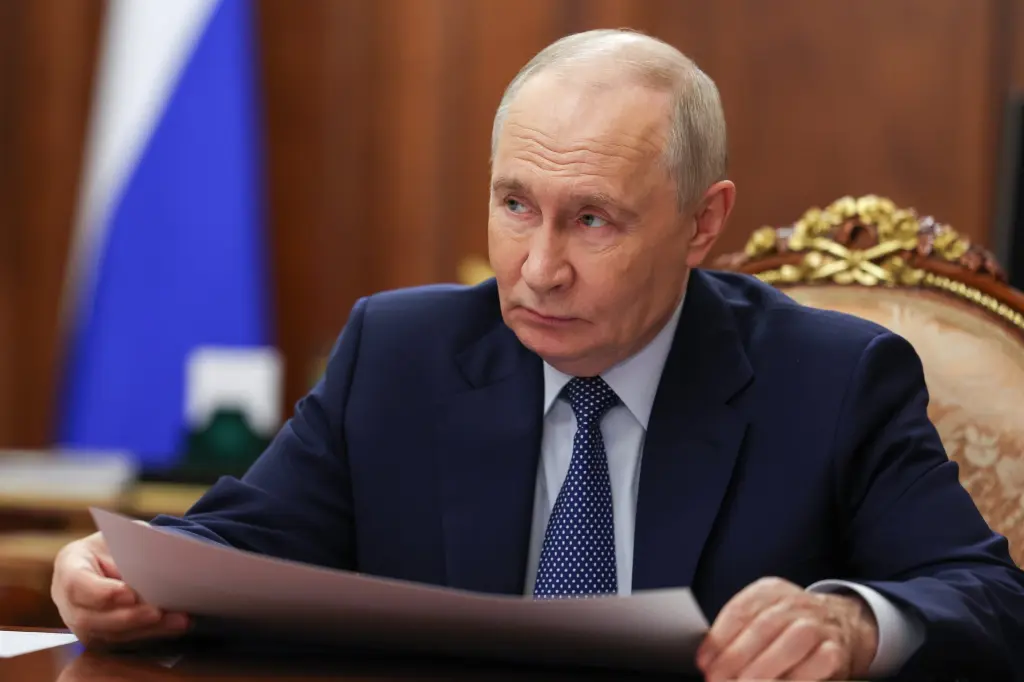
An agreement between Trump and Putin to bring Russian diesel into the United States, framed by the White House as a way to ease fuel prices before the midterms, has drawn bipartisan objections in Congress over whether it undermines sanctions law passed in response to Russia's war in Ukraine.
Congress banned imports of Russian energy in the spring of 2022, in votes that passed the House overwhelmingly and the Senate unanimously, with the ban lifting only if Russia withdraws its forces and Ukraine agrees to a resolution. A separate sanctions bill passed by Congress in September, which Trump himself signed into law, includes tariff provisions set to take effect this month, provisions the new diesel arrangement now appears to sit awkwardly alongside.
A bipartisan group of senators has urged the administration to reverse course, warning the deal amounts to a financial lifeline for Putin at a moment Washington has otherwise sought to tighten pressure on Moscow. Lawmakers from both parties have raised similar concerns from different angles, with Democrats arguing the move directly conflicts with the 2022 law and some Republicans voicing unease about easing any sanction on Russia regardless of the stated rationale.