
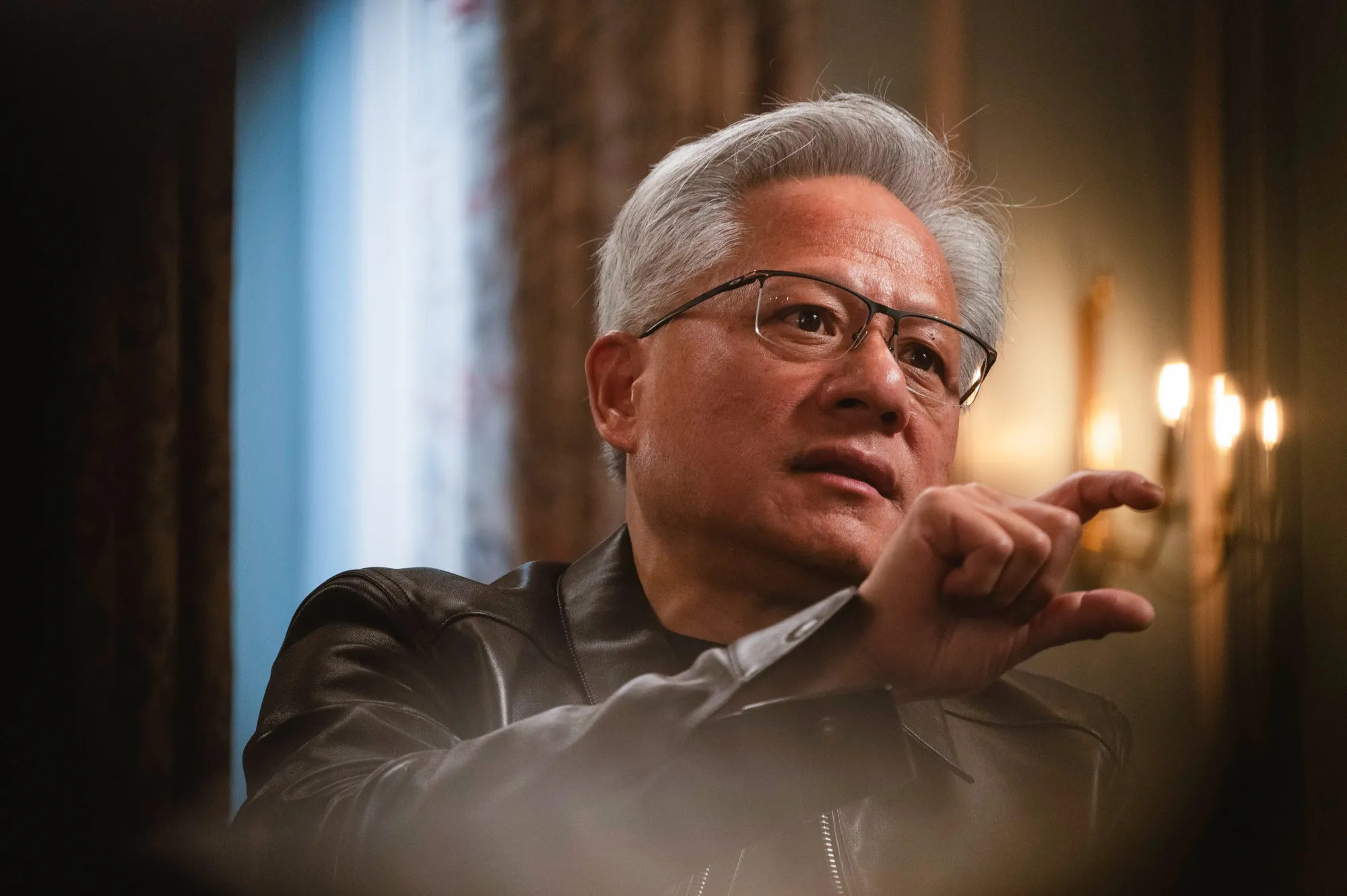
For years, Nvidia chief executive Jensen Huang has been one of the most vocal American business leaders arguing that Washington should allow advanced artificial-intelligence chips to be sold to China. He framed the issue in commercial terms: a large market, billions in potential revenue, and the risk that Chinese rivals would simply fill any gap left by US suppliers. His tone was confident and his message was consistent.
That consistency made him a rare figure in the tech world who could talk about China policy without sounding purely political. Investors, analysts and policymakers listened because he spoke from the position of running the company that dominates the global market for AI accelerators. Nvidia's financial interests were obvious, but Huang also seemed to believe that engagement was preferable to blanket restrictions.
The picture has changed sharply after reports that Huang had an affair with a woman US intelligence officials suspect of working for China. The alleged relationship has not produced public charges, but the revelation is enough to raise questions about whether Huang's advocacy was shaped by something beyond business strategy.
The core issue is not whether Nvidia should sell chips to China. That debate involves national security, trade policy, technological competition and corporate profit. The issue is whether Huang can still be treated as a credible voice in that debate. Once a leader's personal life becomes entangled with the subject he is lobbying about, audiences naturally reassess his motives.