
On Dec. 11, 2001, China entered the World Trade Organization. Twenty-five years on, that moment remains one of the most consequential economic turning points of the modern era.
Before accession, China was already growing quickly. Membership gave it a global rules-based framework that supercharged the transformation. Tariff reductions and market-access commitments opened the door for international companies, while Chinese exporters gained more predictable access to customers around the world. The result was a sustained expansion that lifted hundreds of millions of people out of poverty and turned China into the planet’s largest exporter of goods.
The scale of the shift is hard to overstate. In the years after joining the WTO, China became the workshop of the world. Western retailers, technology companies and apparel brands expanded supply chains across the country, taking advantage of its manufacturing capacity and improving infrastructure. At the same time, domestic private enterprise flourished, supported by long-term government planning that set targets for industries ranging from energy to housing.
How the opening played out
China’s strategy combined openness with direction. Foreign investment brought capital, know-how and global distribution channels. Local firms absorbed what they could, adapted it and, in many sectors, eventually became formidable competitors. Industrial clusters formed around coastal provinces, then spread inland as logistics networks and special economic zones matured.
The government’s five-year plans provided the scaffolding. They were not always precise road maps, but they signaled priorities and channeled resources into sectors deemed strategic. State-backed financing, land policies and infrastructure spending complemented private initiative. Over time, this produced world-class companies in solar panels, batteries, telecommunications equipment and consumer electronics.
What China looks like now
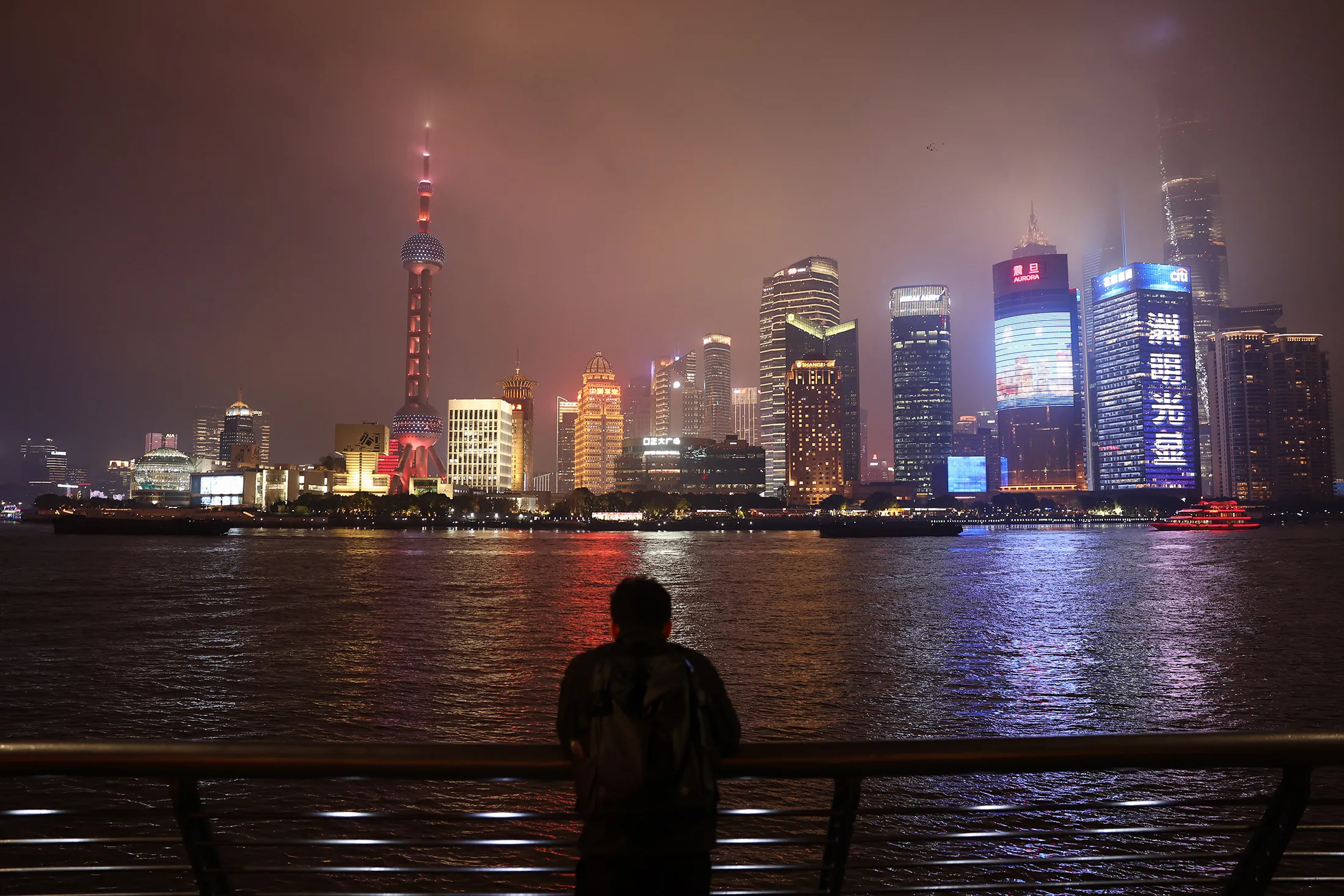
A visitor to a major Chinese city today encounters a landscape that would have been unimaginable in 2001. Delivery robots share sidewalks with pedestrians. Electric vehicles with lidar sensors and illuminated side mirrors move through traffic. Smartphone payments, high-speed rail and e-commerce are deeply woven into daily routines.