

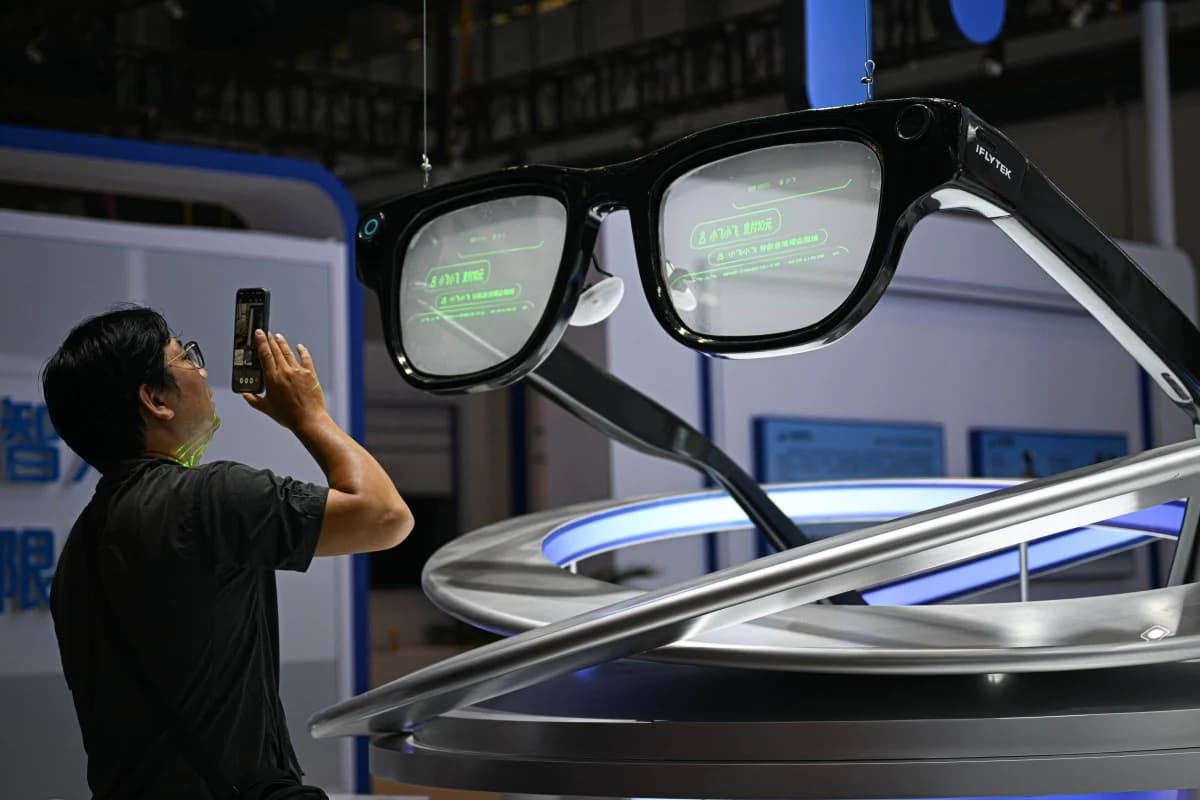
AI-powered smart glasses are becoming significantly more affordable in China, with several manufacturers cutting prices as competition in the category intensifies. The devices, which overlay real time translation, navigation, and other information onto the wearer's field of view, have been marketed heavily as practical travel companions.
Falling component costs and a crowded field of domestic manufacturers have driven prices down sharply over the past year, putting many models within reach of mainstream consumers for the first time. Retailers report growing interest from travelers drawn to features like on the spot translation and hands free navigation prompts.
Despite the price drops, early adopters have reported a range of technical issues that have tempered enthusiasm. Users describe inconsistent voice recognition in noisy environments, lag in real time translation, and battery life that falls well short of a full day of travel use. Software updates have addressed some complaints, but reviewers say the experience still varies widely between models.